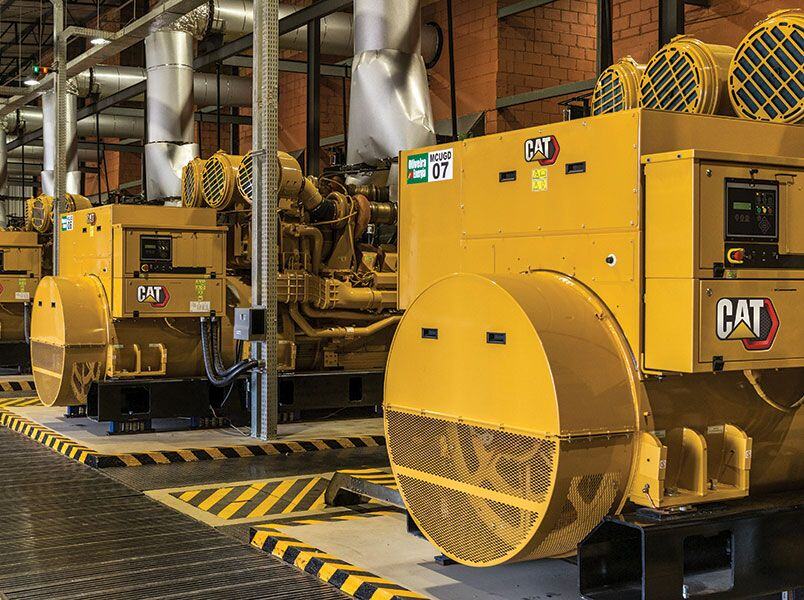
Standby generators can be properly sized and specified, but if they cannot arrive when the project needs them, the construction schedule, facility opening, or generator replacement can still be put at risk. That’s why generator procurement should be considered early in the project strategy, not treated simply as a purchasing task.
Generator availability is only one part of the equation. Project teams also need to consider technical requirements, configuration options, transfer switches, switchgear and other supporting components that may have their own lead times. Reviewing these factors early gives owners, consulting engineers, contractors and procurement teams more time to evaluate practical options without sacrificing the technical requirements of the application.
Choosing the Right Procurement Path
Depending on the project, the best approach may be a genset from current inventory, an incoming unit that aligns with the project schedule and configuration, or a new order designed around more specialized requirements. The right choice balances availability with technical compliance, installation needs, operating performance and lifecycle support.
Our new guide, Generator Procurement Planning for Standby Power Projects, takes a closer look at these considerations and provides practical guidance for evaluating your options earlier in the planning process.
Download the guide to learn:
-
How generator availability can affect the overall project schedule
-
The differences between current inventory, incoming inventory and new orders
-
Why transfer switches, switchgear and other components need to be considered alongside the generator
-
How early procurement review can help inform specifications
-
Questions project teams should address during early planning
Planning a standby generator project or replacement?
Download the full guide to start building procurement into your project strategy.