
How can utilities build a more resilient energy future by adopting newer technologies? Extreme weather events, aging infrastructure, and growing energy demand are increasing the stress on traditional power systems and grids. For decades, centralized “all-in-one” generation, where one major facility produces power for an entire region, was the standard. But as storms intensify and grids become more complex, relying on one large, centralized system exposes communities to greater risk and higher costs when outages occur.
Today, a new approach is taking hold, one that focuses on flexibility, resilience, and sustainability. Utilities are turning toward distributed energy resources (DERs): a network of smaller, localized power generation systems that work together to provide reliable energy where and when it’s needed most.
By the end of this decade, distributed generation could be the foundation of new generation growth. According to reports from BloombergNEF, power generation from renewables is set to jump 84% in the next five years, leading many to believe that renewables will account for more than 50% of the overall power supply by the year 2030, overtaking electric generated using fossil fuels. Yet many utilities still rely on centralized planning models built for a one-way grid. Bridging the gap between today’s planning approach and tomorrow’s distributed reality isn’t just a technical endeavor, it’s strategic. Utilities that modernize their visibility, control, and standby generation strategies now will be best positioned to lead the energy transition.
Why the Traditional Model Falls Short
Centralized generation has long been valued for efficiency and scale, but it also creates vulnerabilities. When a single plant or major transmission line fails, the ripple effects can reach across entire communities. Long-distance transmission adds complexity, cost, and risk, particularly during peak demand or severe weather.
These challenges are especially evident as utilities work to integrate renewable energy and meet new emissions goals. Adding solar or wind to a rigid, centralized grid often creates balancing issues, forcing operators to rely on older standby systems that drive up costs and emissions.
The limitations of centralized power generation have made it clear: the future of power isn’t about putting all your capacity in one place, it’s about creating a system that can adapt, respond, and recover.
The Advantages of Distributed Energy Resources
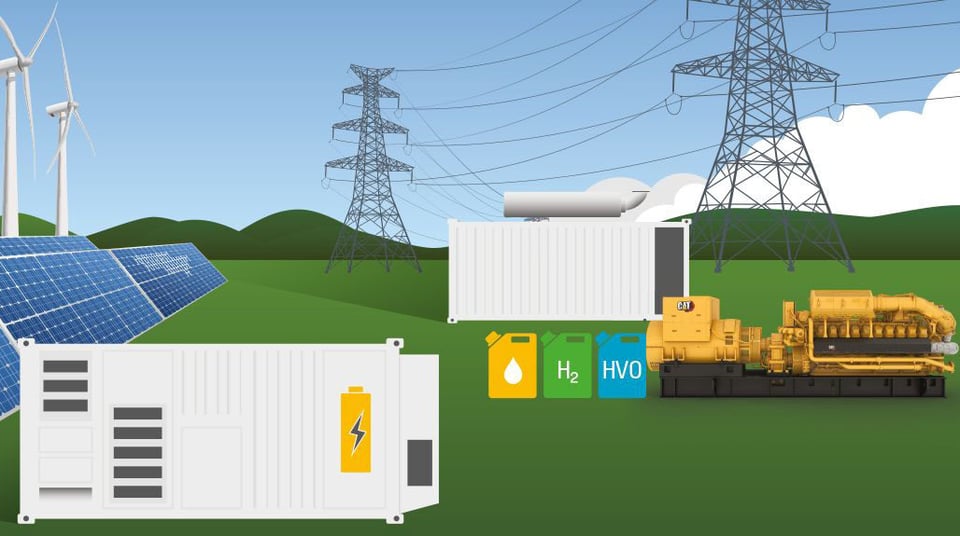
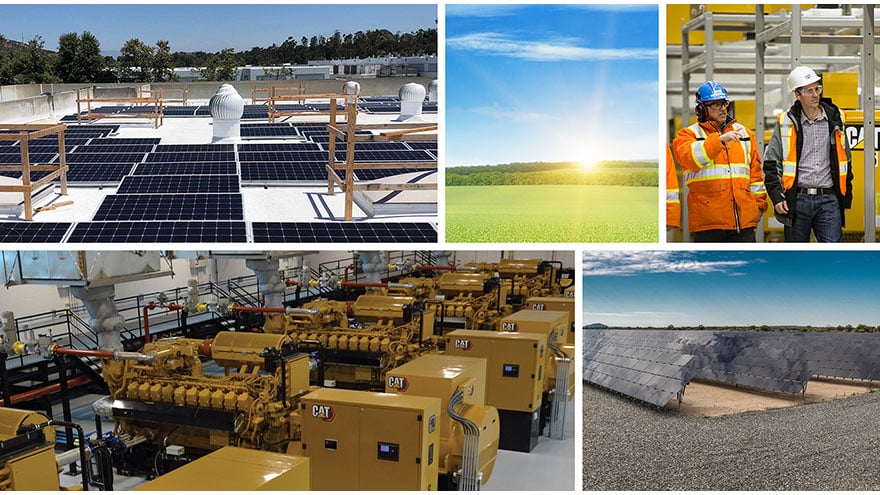
The distributed generation model takes a more dynamic, modular approach to power generation. Instead of one large facility serving many, DERs consist of smaller, localized non-wire alternatives, like natural gas generators, battery energy storage systems (BESS), combined heat and power (CHP) systems, and renewable energy sources, strategically positioned at locations throughout the grid.
Distributed energy resources offer several key advantages for utilities and their communities:
- Enhanced Resilience - When extreme weather strikes or demand surges, distributed systems can operate independently of the larger grid. By isolating portions of the network through microgrids, utilities can keep critical services running even during widespread outages.
- Lower Costs and Improved Efficiency - Because DERs generate power closer to where it’s used, they reduce transmission losses and alleviate strain on large infrastructure. Utilities can better manage peak demand and defer costly upgrades while providing more predictable energy pricing to their customers.
- Renewable Integration and Flexibility - Distributed systems naturally complement renewable energy. When paired with solar, biogas, or battery storage, DERs smooth out fluctuations and keep the grid stable. This makes it easier to meet sustainability goals without compromising reliability.
- Scalability for Growth - DERs allow utilities to expand incrementally rather than making massive, one-time investments. As technology evolves or demand changes, systems consisting of non-wire alternatives can be scaled up or reconfigured to fit future needs, an advantage that’s both practical and cost-effective.
- Smart Control and Optimization - Modern distributed generation systems are powered by data. With advanced software, utilities can monitor real-time performance, forecast demand, and automatically dispatch assets for maximum efficiency. The result is a more agile, intelligent grid that delivers consistent performance.
Why Partnering with Experts Matters
Transitioning from centralized systems to distributed generation requires more than equipment. It requires experience. Each utility’s needs are unique, shaped by infrastructure, geography, regulatory environment, and community expectations. Partnering with experts who understand these complexities ensures that distributed systems are planned for long-term reliability, not just short-term gains.
The movement toward distributed generation isn’t just a trend; it’s a fundamental shift in how we think about power. It’s about giving electric utility companies the flexibility to adapt, the resilience to endure, and the efficiency to serve their communities better.
That’s where Cleveland Brothers comes in. We don’t simply commission new equipment, we build partnerships and provide end-to-end support. Using advanced power technologies, we help utilities seamlessly integrate renewables, battery storage, generators, and other important power generation components. Our goal is to create solutions that last and evolve with you.
Discover how Cleveland Brothers can help you build a more resilient, distributed generation future.